
The Desperate Pain of Miscarriage
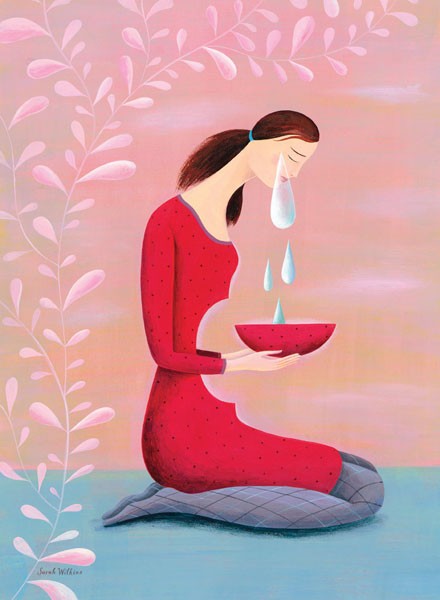
This is a topic that has been near to my heart for the past 6 years. I felt nudged to be transparent and write about this experience as I’m walking through the devastation of miscarriage this week. In her Daring Way curriculum, Dr. Brene Brown defines vulnerability as risk, emotional exposure, and uncertainty. I work with most clients around vulnerabiity and what it looks like, so I’ve decided to be vulnerable around this experience. I specialize in miscarriage, fetal loss, infertility, and cancer in my therapy practice, yet I find all of my own words of soothing going out the window now that it’s me. I’ve put together the six most profound facets of pain below, and what you CAN say or do to help someone through intense pain.
Our story has been full of pain, apprehension and joy. Our first pregnancy ended in miscarriage and D&C, and that experience is what prompted me to quit nursing school and apply for the master’s program in marriage and family therapy (which I completed in June 2012). It was intensely painful and disheartening, even though I had great support all around me. We did have a successful pregnancy (through in vitro fertilization) and had Nora who is 4 ½. Anna, who is 2 ½, was a spontaneous pregnancy. Both pregnancies were hard on me with nausea and Anna dislocated my sacrum, but they are definitely little miracles. As we found out were spontaneously pregnant again in May of this year, I hit an emotional rollercoaster of fear, apprehension of a tough pregnancy, and planning for the life adjustment of going from two little ones to three. We had an ultrasound last week that showed the flutter of the heartbeat but showed the baby as smaller than it should be. This week, at nine weeks, there was no longer a heartbeat. I had a D&C and we are all grieving and healing at this point.
I’ve tried to distill the thoughts and feelings into six forms of pain that I’ve experienced in this second miscarriage:
1. Crushing
As I lay on the ultrasound table, oblivious to the idea that this may not actually come to fruition, my heart felt crushed when she said there was no heartbeat. My face got hot, the tears were immediate, and my heart felt as though someone put it in a vice and squeezed. The walls were closing in, and I looked at my husband’s face and could see his broken heart. All death is painful, please hear that. I had feared miscarriage, but after we saw the flicker of a beating heart, we were disarmed and excited. I’d told my four- year-old, so we’re navigating how to explain this news. Her first words after the news was, “but I’d already named my new baby sister and wanted to play with her!” She is sad, yet resilient, as she doesn’t understand exactly what is happening.
I cried as they started my IV, I cried when they discussed the procedure, and I cried as they transferred me to an operating table. The anesthesiologist was kind and gentle and said “let’s just go ahead and get the sedation started,” as the nurse wiped my tears and he put the mask on my face.
2. Confusing
Immediately, and for the next few days, these thoughts were relentless: “but, we had a heartbeat last week! This wasn’t supposed to happen! We were NOT prepared for this!” (and as we know, you can’t really prepare for a loss such as this). Although I counsel people on miscarriage and tell them they did not cause this, my automatic thoughts were, “I’ve screwed up. I did this somehow. I didn’t want it enough or I didn’t protect it enough.” For me, this pregnancy was confusing from the beginning. The pregnancy was a surprise, and while I felt conflicted about it, I was excited for a third child. I struggled the most with the idea of being pregnant again as I’d had rough pregnancies, but I had already envisioned my life moving forward with a third baby in the picture. I’d become pretty excited about it, and was thankful for the blessing of the surprise pregnancy! It took me a few weeks to get there, but I had arrived in the land of excitement. I was there quietly, because it still felt vulnerable to express these emotions to others. Once I saw the heart flutter, I felt that connection that says, “ok lady. You can do this. You’ve created another life!”
Glennon Doyle Melton says that pain is traveling professor, and right now that confuses me because I don’t know what I’m supposed to be learning. I trust that some insight will come, and I know this will help me a better therapist in some way, but that part is confusing as well.
3. Private
As I write about this, I’ve had a few days of distance from the shock and a little distance from the procedure. I felt this the first time around as well… the need for privacy. This may be simply because I’m an introvert, but I wanted to hide and not talk about it! I didn’t want to make the calls I needed to make and tell the important people. I didn’t want to tell the story, I didn’t want to cry with anyone, I didn’t want anyone to ask me questions. So, I didn’t. In a moment of self-compassion, I decided to put together a text, which I began with apologizing for giving the news in a text, and sent the news and details to family and close friends. That was the best thing I did for myself in the moment, as I needed to be alone with my husband and kids, and be free to weep, grieve, and process.
4. Overwhelming and Intrusive
This is a normal part of grief, I know. The metaphor I use with my clients goes like this: Grief begins as days and weeks of tsunamis. Regardless of your preparation and the things that anchor you, a grief tsunami will brutally suck you out to sea and out of your safety zone. You will spend time paddling like crazy to get back to shore, back to your people, back to your animals, back to your security. Soon, and unpredictably, it will happen again, over and over. Fortunately the waves lessen in ferocity and your paddling skills improve, and eventually you find yourself doused by the water but being forced from your safe zone. The best way to deal with the tsunami is to know it will happen, allow it to happen, and figure out your paddling strategies, as you have no control over how incredible and intense the grief tsunami will be. We are surrounded by things, pictures, people and places that trigger our memories and grief and our brains process information much faster than we are cognitively aware of. You may find yourself being crushed by the metaphorical tsunami and not realize it, until you realize you were in a place where you once had a special moment with your mom, or you saw someone wearing a shirt like the one your husband used to love. For me it is any news of death as I realize that death has occurred in my body, and pulling the maternity clothes out of my closet. The day of the bad news, I received a package in the mail of some maternity jeans I had bought, and the tsunami arrived. We survive the tsunamis by letting them happen, not shutting the emotion off, and trusting that we will get back to shore.
5. Discouraging
All grief is special and looks different. Just like cancer or other major illnesses, miscarriage is especially discouraging and disheartening because you begin to not trust what your body can do or not do. You wonder if you’re capable of a successful pregnancy, and question if you even want to go through this again. I recall this vividly with my first, and although I have had two perfect children in between, I am discouraged about any future pregnancies. I’m discouraged in my ability to carry a pregnancy, in the emotional and physical pain associated with fetal death, and in my own stamina.
6. Connective and Loving Pain
The connection began as soon as I showed him the pregnancy tests, and as I was in a bit of a panic! I was terrified of this process, whether miscarriage or successful pregnancy, as the two babies I have were incredibly hard to carry. He took the news with ease and gentle excitement, and said, “I can’t wait to pamper the crap out of you. We can do this.” His exuberance disarmed my fear day after day. As I spent most evenings hunched over the toilet with sickness, he offered me a stool, a Zofran, a mint to help the nausea. He poured me 7-up. He cared for the kids when I couldn’t move because I felt so nauseated.

And later, as we sat in the ultrasound room together this week, and later in a private room waiting for a doctor, we cried. He reached to me and held me, and he offered no consoling words as he knew there weren’t any. He just reached across the hurt and held me close. The acknowledgement and realization that our relationship has grown to this place of hurting together and just letting sad take over for a while is incredibly connecting. While seeing the hurt in his eyes was awful, it was also strangely comforting to not be alone in this. He got up at 5am and loaded up the kids with no complaint as we went in for the D&C, he held my hand and wiped my tears as they talked to me about anesthesia, what to anticipate, and started the IV. I watched him love on the girls and support Nora as she questioned why we aren’t having a baby now and what that means. He has been waking me up every four hours for the pain medicine to help me feel as little physical pain as possible.
We have talked a little about this, about the surprise and how we were just not expecting this, but most of all the love has done the talking. I am completely humbled and deeply comforted by his capacity to be the leader and to love me through these devastating times. I know I am fortunate, I know many don’t get the support they need in pain or grief. “Love is not a victory march… it’s a cold and broken hallelujah.” (Leonard Cohen).
Aside from Dave, I have some supportive family and friends. I received a beautiful bouquet of flowers from a bestie, a Startbucks gift card from a sister, and multiple texts of love and support.

Anyone can play this role for you, it doesn’t have to be a partner. It can be a friend, a mom, a brother, a mentor. This is often one of those places where loved ones want to offer support and don’t know what to say or do.
Here is a short list of what HAS been helpful for anyone walking through this with a loved one:
- I’m so sorry you’re experiencing this. Is there any way I can be helpful?
- I’m sure this is overwhelming and confusing, and I can’t even imagine. What are you feeling right now?
- Can I feed your family? I’d love to bring pizza or cook for you.
- It’s okay to feel sad, confused, and just generally not okay. You will be okay again, someday, and I’m available to talk in the meantime.
- From Dave: I’ll love you through this.
Go out, love on someone. Sit with them in their grief and understand that pain is important. It is profound, pervasive, uncontrollable, and is not something to be rushed.
–Caylen




 The Imperfect Therapist