Secrets From Couples Therapy: Tips To Improve Your Relationship

Caylen Sunderman, M.S., LMFT, PLMFT

As a Marriage and Family Therapist in private practice, over half of my work is with couples.  Working with couples is an incredible privilege as people come in with some incredibly painful situations and a hopelessness.  I work with affairs, divorce, second marriages, bereavement, cancer, PTSD, war veterans, and on and on.  I once heard some sort of statistic that most couples who present to couples therapy will end up divorced, and I vehemently disagree with that.  In my experience, I have found the opposite: that most marriages will survive, and even thrive!  We are resilient creatures, and we are very capable of healing and repairing our relationships.  Here are a few of the common conversations I have with every couple in my sessions.  These are tips that everyone can implement in relationships, starting today!

Ready, Willing, and Able: THIS IS ALL I NEED FROM YOU!

Couples often come in feeling overwhelmed, scared, in pain, and unsure where to even begin. They come in to my office when the pain of their relationship has become too difficult. The pain involved in changing is LESS than the pain of continuing as is. Regardless of the situation, of the offenses committed against each other, of the hurt feelings; I only need for both of them to WANT this. If both want for their relationship to be different, there is hope! We take all of the apprehensions and wounds and distill them down to the most basic decision: are you ready, willing, and able to be different. This is all I need to begin effective therapy! I simply need for them to be ready, willing, and able to turn towards each other, the hard things, and the discomfort. Therapists will guide clients in that process, but if that desire to be different is there, couples can overcome profound marital distress.

Find places to be tender

I routinely tell this to couples in their first session: This affair/problem/disagreement will not end your marriage. The hardness that you will develop towards each other is what will end this. Keep in mind, when couples come to therapy, they’ve decided to try to work through hard things, and I don’t expect all marriages to survive affairs or struggles. However, in a healing process, couples will have to get to a place of vulnerability with each other. If couples aren’t intentional about this, they will harden more and more, and will not be able to relate or connect in any way. I don’t expect this immediately, especially if there has been a betrayal, but we do have to find places couples can be soft or tender with each other (and that looks different for everyone). If one commits to work to not be so hard, the other must work to accept the tender gestures. It is difficult work, as pain leads us to create a impenetrable exterior. We dismantle that armor piece by piece, experience by experience. Time doesn’t heal wounds… but positive and healing experiences that happen over and over WILL heal wounds.

Commit to NOT make a decision on the relationship.

If couples come into my office and are considering ending their relationship, one of the first things I ask of them is to commit to NOT making a decision on the relationship for the first week, first month, or whatever time frame they are comfortable with. When one or both are considering ending the relationship, they are processing all information and interaction through a decision making lens. If they can give themselves some space from a decision, they allow emotion to show through without fear of the repercussions. We obviously need both to be somewhat self-regulated, but if couples can have hard conversations without the fear of the other saying, “I’m DONE,” real connection and repair can happen! I have one couple that came in after the discovery of an affair, and in the beginning they committed to just a couple days at a time where they would not make a decision to stay or go. A year and a half later, we no longer have to even have that discussion, and they remember the commitment they made to me was the one thing that kept them in the hardest conversations. Staying in those hard conversations and hearing each other’s pain has led to some tremendous healing.

Presence versus pattern

One of the biggest fears I have heard is that if one partner gives in, or allows for events to play out in a certain way, that it will become the new relational pattern. For example, husband says he will prepare a nice dinner for the evening. Something comes up, and husband calls and says, “please pick up pizza, I fell asleep/got distracted/couldn’t get home in time, and can’t make that dinner I promised.” A natural inclination for people is to be upset because we can’t let that fly. It can’t be the new normal for commitments to be broken. This scenario can play out a thousand different ways. When couples are in a hard season, I ask them to simply be present, listen to the other, and try to serve each other in the little needs. We don’t do this because we are afraid we will lose ground, lose dependence or independence, or give the other new permissions we don’t want to give them. We collect all of the past disappointments and they burst out in the minor moments. If we can work to be present and take each situation as it is, we can avoid some major disagreements. This is a challenge, we are not going to become mindful or aware of the present moment unless we become very intentional about it. In order to do that, we have to manage our own emotions, and that is tough stuff. Rest assured, it is doable, and I see people changing their lives with simple tools to become more aware of the present moment.

Trigger Warning!

(Topic discusses rape.)

Someone just posted a picture of a woman being raped on my husband’s Facebook page. He wasn’t immediately reachable so that I could tell him. As this picture sat on my sweet husband’s page I wondered how many other people had seen it. I wondered if any children had seen it. The image made me feel angry and violated. I work with victims of crime. Many of these victims have been raped. This reality and image are not new to me AND it feels like a violation. It feels as though someone came over to my home and threw the picture up on a silk screen in front of my house. This is a fascinating reality to navigate. The interwebs can be a beautiful, awe inspiring, connecting, heart-opening place. AND it can also be a dark and horrible place where people are exploited and images are stolen. I am reminded that we must all be vigilant around giving people access to our…lives. And vigilant in our self-care and self -love so that we are grounded in that and not subject to the darkness.

Are boundaries that protect our moral and ethical belief system while still allowing us to participate in the connectivity of social media really possible?

At the very least I am also reminded to educate my littles. Not to teach them to fear or avoid the internet and it’s darkness but to understand the concepts around things that outrage me. To help them build a foundation around empathy and understanding rather than fear and ignorance. I will be vigilant in teaching our littles about consent, love, healthy expressions of touch, varying relational boundaries, self- love and self-worth.

Therapeutically I believe in Prevention before Intervention. This was a good reminder for me and I hope for ya’ll as well.

Keep spreading the love friends.

Peace. Rita

The Desperate Pain of Miscarriage, and What You Can Do About It.

The Desperate Pain of Miscarriage

IMG_7916

This is a topic that has been near to my heart for the past 6 years. I felt nudged to be transparent and write about this experience as I’m walking through the devastation of miscarriage this week. In her Daring Way curriculum, Dr. Brene Brown defines vulnerability as risk, emotional exposure, and uncertainty.  I work with most clients around vulnerabiity and what it looks like, so I’ve decided to be vulnerable around this experience. I specialize in miscarriage, fetal loss, infertility, and cancer in my therapy practice, yet I find all of my own words of soothing going out the window now that it’s me. I’ve put together the six most profound facets of pain below, and what you CAN say or do to help someone through intense pain.

Our story has been full of pain, apprehension and joy. Our first pregnancy ended in miscarriage and D&C, and that experience is what prompted me to quit nursing school and apply for the master’s program in marriage and family therapy (which I completed in June 2012). It was intensely painful and disheartening, even though I had great support all around me. We did have a successful pregnancy (through in vitro fertilization) and had Nora who is 4 ½. Anna, who is 2 ½, was a spontaneous pregnancy. Both pregnancies were hard on me with nausea and Anna dislocated my sacrum, but they are definitely little miracles. As we found out were spontaneously pregnant again in May of this year, I hit an emotional rollercoaster of fear, apprehension of a tough pregnancy, and planning for the life adjustment of going from two little ones to three. We had an ultrasound last week that showed the flutter of the heartbeat but showed the baby as smaller than it should be. This week, at nine weeks, there was no longer a heartbeat. I had a D&C and we are all grieving and healing at this point.

I’ve tried to distill the thoughts and feelings into six forms of pain that I’ve experienced in this second miscarriage:

1.  Crushing

As I lay on the ultrasound table, oblivious to the idea that this may not actually come to fruition, my heart felt crushed when she said there was no heartbeat. My face got hot, the tears were immediate, and my heart felt as though someone put it in a vice and squeezed. The walls were closing in, and I looked at my husband’s face and could see his broken heart. All death is painful, please hear that. I had feared miscarriage, but after we saw the flicker of a beating heart, we were disarmed and excited. I’d told my four- year-old, so we’re navigating how to explain this news. Her first words after the news was, “but I’d already named my new baby sister and wanted to play with her!” She is sad, yet resilient, as she doesn’t understand exactly what is happening.

I cried as they started my IV, I cried when they discussed the procedure, and I cried as they transferred me to an operating table. The anesthesiologist was kind and gentle and said “let’s just go ahead and get the sedation started,” as the nurse wiped my tears and he put the mask on my face.

2. Confusing

Immediately, and for the next few days, these thoughts were relentless: “but, we had a heartbeat last week! This wasn’t supposed to happen! We were NOT prepared for this!” (and as we know, you can’t really prepare for a loss such as this). Although I counsel people on miscarriage and tell them they did not cause this, my automatic thoughts were, “I’ve screwed up. I did this somehow. I didn’t want it enough or I didn’t protect it enough.” For me, this pregnancy was confusing from the beginning. The pregnancy was a surprise, and while I felt conflicted about it, I was excited for a third child. I struggled the most with the idea of being pregnant again as I’d had rough pregnancies, but I had already envisioned my life moving forward with a third baby in the picture. I’d become pretty excited about it, and was thankful for the blessing of the surprise pregnancy! It took me a few weeks to get there, but I had arrived in the land of excitement. I was there quietly, because it still felt vulnerable to express these emotions to others. Once I saw the heart flutter, I felt that connection that says, “ok lady. You can do this. You’ve created another life!”

Glennon Doyle Melton says that pain is traveling professor, and right now that confuses me because I don’t know what I’m supposed to be learning. I trust that some insight will come, and I know this will help me a better therapist in some way, but that part is confusing as well.

3. Private

As I write about this, I’ve had a few days of distance from the shock and a little distance from the procedure. I felt this the first time around as well… the need for privacy. This may be simply because I’m an introvert, but I wanted to hide and not talk about it! I didn’t want to make the calls I needed to make and tell the important people. I didn’t want to tell the story, I didn’t want to cry with anyone, I didn’t want anyone to ask me questions. So, I didn’t. In a moment of self-compassion, I decided to put together a text, which I began with apologizing for giving the news in a text, and sent the news and details to family and close friends. That was the best thing I did for myself in the moment, as I needed to be alone with my husband and kids, and be free to weep, grieve, and process.

4. Overwhelming and Intrusive

This is a normal part of grief, I know. The metaphor I use with my clients goes like this: Grief begins as days and weeks of tsunamis. Regardless of your preparation and the things that anchor you, a grief tsunami will brutally suck you out to sea and out of your safety zone. You will spend time paddling like crazy to get back to shore, back to your people, back to your animals, back to your security. Soon, and unpredictably, it will happen again, over and over. Fortunately the waves lessen in ferocity and your paddling skills improve, and eventually you find yourself doused by the water but being forced from your safe zone. The best way to deal with the tsunami is to know it will happen, allow it to happen, and figure out your paddling strategies, as you have no control over how incredible and intense the grief tsunami will be.  We are surrounded by things, pictures, people and places that trigger our memories and grief and our brains process information much faster than we are cognitively aware of. You may find yourself being crushed by the metaphorical tsunami and not realize it, until you realize you were in a place where you once had a special moment with your mom, or you saw someone wearing a shirt like the one your husband used to love. For me it is any news of death as I realize that death has occurred in my body, and pulling the maternity clothes out of my closet. The day of the bad news, I received a package in the mail of some maternity jeans I had bought, and the tsunami arrived. We survive the tsunamis by letting them happen, not shutting the emotion off, and trusting that we will get back to shore.

5.  Discouraging

All grief is special and looks different.  Just like cancer or other major illnesses, miscarriage is especially discouraging and disheartening because you begin to not trust what your body can do or not do. You wonder if you’re capable of a successful pregnancy, and question if you even want to go through this again. I recall this vividly with my first, and although I have had two perfect children in between, I am discouraged about any future pregnancies. I’m discouraged in my ability to carry a pregnancy, in the emotional and physical pain associated with fetal death, and in my own stamina.

6. Connective and Loving Pain

The connection began as soon as I showed him the pregnancy tests, and as I was in a bit of a panic! I was terrified of this process, whether miscarriage or successful pregnancy, as the two babies I have were incredibly hard to carry. He took the news with ease and gentle excitement, and said, “I can’t wait to pamper the crap out of you. We can do this.” His exuberance disarmed my fear day after day. As I spent most evenings hunched over the toilet with sickness, he offered me a stool, a Zofran, a mint to help the nausea. He poured me 7-up. He cared for the kids when I couldn’t move because I felt so nauseated.

IMG_7914

And later, as we sat in the ultrasound room together this week, and later in a private room waiting for a doctor, we cried. He reached to me and held me, and he offered no consoling words as he knew there weren’t any. He just reached across the hurt and held me close. The acknowledgement and realization that our relationship has grown to this place of hurting together and just letting sad take over for a while is incredibly connecting. While seeing the hurt in his eyes was awful, it was also strangely comforting to not be alone in this. He got up at 5am and loaded up the kids with no complaint as we went in for the D&C, he held my hand and wiped my tears as they talked to me about anesthesia, what to anticipate, and started the IV. I watched him love on the girls and support Nora as she questioned why we aren’t having a baby now and what that means. He has been waking me up every four hours for the pain medicine to help me feel as little physical pain as possible.

We have talked a little about this, about the surprise and how we were just not expecting this, but most of all the love has done the talking. I am completely humbled and deeply comforted by his capacity to be the leader and to love me through these devastating times. I know I am fortunate, I know many don’t get the support they need in pain or grief. “Love is not a victory march… it’s a cold and broken hallelujah.” (Leonard Cohen).

Aside from Dave, I have some supportive family and friends. I received a beautiful bouquet of flowers from a bestie, a Startbucks gift card from a sister, and multiple texts of love and support.

IMG_7915

Anyone can play this role for you, it doesn’t have to be a partner. It can be a friend, a mom, a brother, a mentor. This is often one of those places where loved ones want to offer support and don’t know what to say or do.

Here is a short list of what HAS been helpful for anyone walking through this with a loved one:

  1. I’m so sorry you’re experiencing this. Is there any way I can be helpful?
  2. I’m sure this is overwhelming and confusing, and I can’t even imagine. What are you feeling right now?
  3. Can I feed your family? I’d love to bring pizza or cook for you.
  4. It’s okay to feel sad, confused, and just generally not okay. You will be okay again, someday, and I’m available to talk in the meantime.
  5. From Dave: I’ll love you through this.

Go out, love on someone. Sit with them in their grief and understand that pain is important. It is profound, pervasive, uncontrollable, and is not something to be rushed.

–Caylen

From The Therapist’s Chair: HOW TO BE AN AMAZING LISTENER!

LISTENING FOR CONNECTION


Recently in my private practice, a client and I were preparing for her to “graduate therapy.”  We were discussing her growth, articulating what she has learned, and reflecting on the identity work she had done.  She said, “what has helped me so much is simply the experience of being “heard,” and feeling that what I’m saying really does matter.  I want to be a better listener.  I want to listen like therapists listen, and learn to empathize with accuracy.”  I teach this to my graduate students early in their therapy training: that the solid foundation of a client/therapist relationship begins with simply “holding space” for a client, truly listening, being present, validating, and empathizing. However, clinicians train intensely in those skills for years before they come naturally.

There are different listening situations in which we can find ourselves unsure how to maneuver.  Do we really understand when someone is asking for advice versus when they want to share a story?  Can we tell if they are upset and need for us to fix the situation, or if they’re venting?  Oftentimes, people can not tell the differences, and the listener is only partly to blame.  The speaker doesn’t always know what is motivating them to communicate and this can go downhill quickly.  True conversation and connection is the best way to enrich your relationships.  In his book, “Lost Connections,” Johann Hari suggests that depression and anxiety are both symptoms that stem from the same problem: deep disconnection with those around us.  He suggests we’ve lost the art of having each other’s backs, creating a culture of surface communication and deep loneliness.  We have to appreciate all of what communication entails, because discussing the hard stuff is just as essential as the belly laughs.  Presence in hard conversations is what communicates, “you matter to me.”  A good listener can demonstrate deep caring and appreciation without saying the “right thing,” or anything at all!


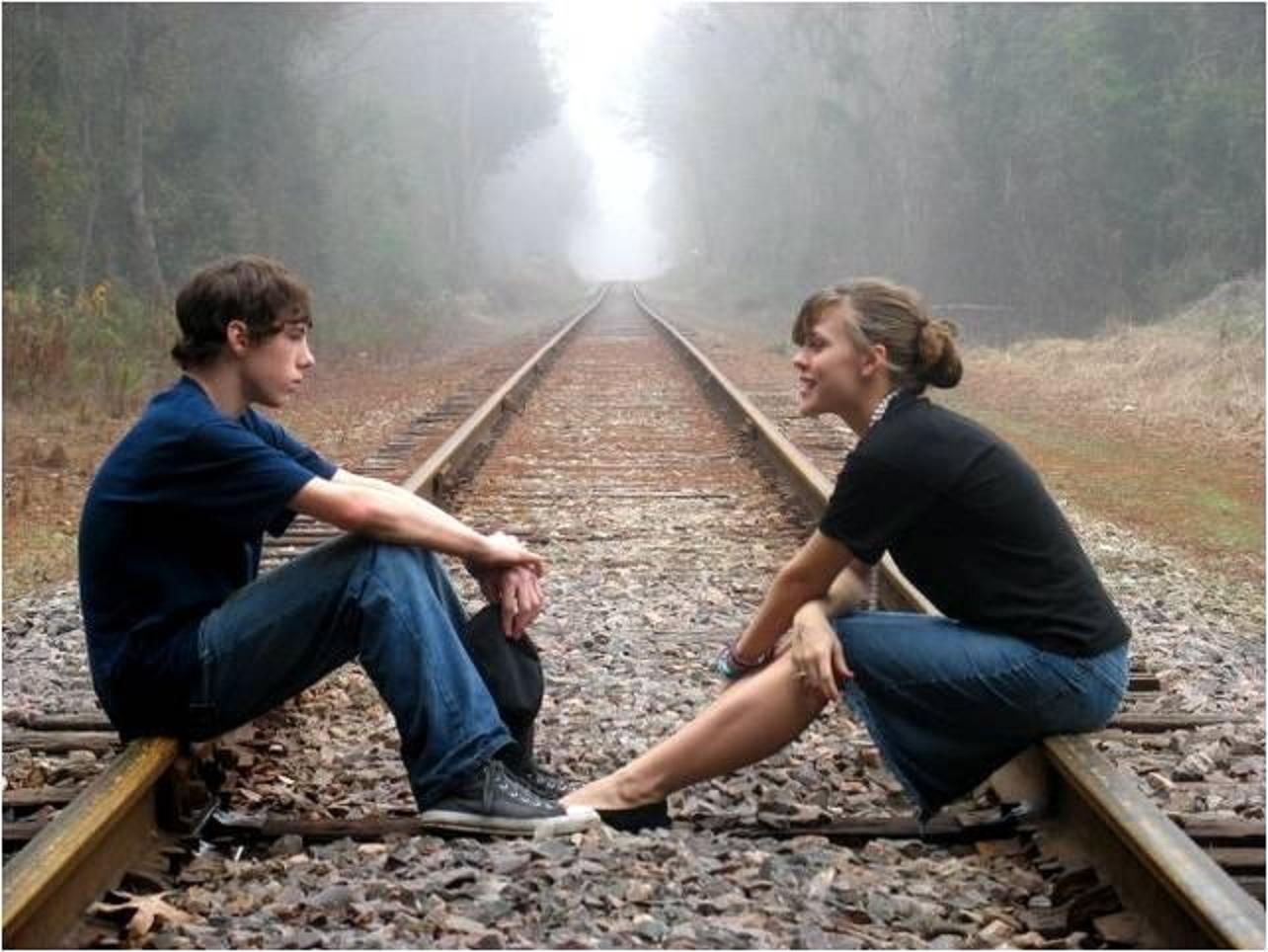
railroad

FIVE TIPS FOR LISTENING AND CONNECTION

1. Take a deep breath.

When someone is laying out a disturbing situation, we get anxious! Our heart races, our face gets warm, and we are freaking out and thinking, “I have no idea what to say here.” Most of us want to fix this for our friend, and we are unable to do so. The anxiety grows and then takes over our mouth, and we begin speaking loads of what I like to call WORD VOMIT! “God has a plan! Everything happens for a reason! You have to stay positive! Refuse to hear that kind of news! Drink this tea and take these herbs, I heard they cure cancer!” (hint: not a single one of these statements is helpful to someone in distress).  As Brene Brown says, “rarely does a response make a situation better. What makes it better is connection.”

It is important to understand that word vomit comes from a good place. The listener is trying to take a big story and make it manageable. However, they’re only making it manageable for themselves. The speaking partner isn’t benefitting. So when you find yourself in a conversation like this, relax, take some deep breaths, realize this is about connection and not at all about fixing!

2. Consider NOT speaking.

When you feel overwhelmed and unsure what to say, don’t say anything! If someone is delivering news of a partner’s affair and the devastation left in the wake, I suggest you try to simply check in with, “hey. I’m here with you. Tell me more.” A few years ago I attended training with about 20 other therapists where we learned more about emotions focused therapy. One of our activities was to pair up, choose a traumatic story to tell, and tell the story for ten minutes while our partner sat and listened. The listening therapist was to not say anything. In this exercise, I realized two things: 1. I actually tune out the person speaking when I’m already thinking about what I want to say in response, and 2. it is possible to encourage someone and support them with your eyes, facial expression, and nods. You can encourage someone with just your eyes, and signal to them to keep going!  As I kept quiet, my partner kept talking because I wasn’t stopping to ask questions or expand on something.  Because I didn’t interrupt, she was able to follow her thought process and expand more upon the situation, and finished the story with more insight.

We have our graduate students video themselves in their internships.  They are providing real therapy for about 16 months, beginning only 8 months after they begin their training, and are required to take video of themselves in every session.  We know they’ll to be anxious, we don’t expect that they’ll know what to do or say, and we haven’t taught them much theory yet (which informs what therapists do and say).  We DO expect them to learn how their own anxiety can derail a conversation.  We expect they’ll notice when they’re talking, but have lost their client.  We challenge them to sit in quiet, in their anxiety, and be more silent.  It’s easy to talk freely.  It is very difficult to sit in silence and trust that the pregnant pause will allow deeper connection and trust to be birthed.

When people step into our story by responding or giving feedback, we feel like we have to adjust it (speed it up, make sense of it, explain the back story, etcetera).  But when they sit with us in our story, let us know we’re loved and safe, we can speak freely.  We may continue the story past the usually cut off point, we may talk about the impact of the situation, we may talk about future fears, and even what we need from other people… if someone just lets us talk.

3. Do not try to make it safe or simple!

In my office, I teach people how to “sit with” the uncomfortable, scary, and awkward. We affectionately call it the USA. Most of us have not been trained to hear hard things without taking over the discussion with platitudes. When we hear, “I have cancer,” we immediately work to make the person stronger and help them to feel safer, or at least we think we do. We hope we are making it better, but in fact, we are creating distance and likely causing the other person to feel isolated because they don’t feel as motivated as we do. I’ve heard a person with breast cancer discuss her experience in telling her family. “Breast cancer? Oh that’s nothing these days. They’ll cut those things off and you’ll be good as new. You’ll be fine.” This person was appalled because in reality, it is a brutal and lengthy process of chemo, surgery, radiation, and eventually reconstruction. She knew what she was in for, and when a family member minimized to that level, she immediately chose to no longer be honest with this person.

We simplify the complex and painful situations to make ourselves feel better, and don’t even realize how powerful that motivation is.  So many have “fixer” or “helper” deeply embedded in their identity and don’t like to feel helpless, so they move in to “fix.”  There is a devastating effect to this: through good intentions of improving mood or morale, we may be actually insinuating that a complex situation is simple, and the person *just* needs to think differently, make a simple change, see a different doctor, etc.  We must respect that most human problems are actually very complex and that most people have tried to solve them.  Cancer, divorce, job loss, depression….  none of it is simple.  None of it can be fixed with a response.  The most valuable response we can offer is when we learn to NOT try to fix or help, but to respond meaningfully and with genuine care and concern.  

4. Keep the focus of the conversation on THEM!

How many times has the following scenario played out for you in some manner:

Person 1: I rear-ended someone last night, it was terrifying! I’m a mess today and can’t believe I wasn’t paying attention and let that happen.

Person 2: Oh my gosh. I know what you mean. Don’t you remember when I did that in college?   I was driving home from class and was on the phone, and I totally didn’t realize traffic had stopped. I looked up and my heart literally stopped! I hit the car so hard my airbags blew and …. blah blah blah.

You get the idea. If you find yourself telling a story, you’ve taken over the conversation and it’s likely your partner is feeling unheard and uncared for. They are sharing something with you and need for you to lean in to their experience, not educate them or tell them your experience. We often turn into experts when someone shares something with us, and most of the time, this is not what they need! If you hear yourself ME TOO-ing or ONE UP-ing, slow down and come back with a question to focus on your friend’s experience. They don’t want an expert or to hear about your cousin’s neighbor’s wife and her experience with miscarriage. They want for you to hear their experience about miscarriage.

5. Choose your words carefully.

If our conversation partner is about to share some heavy news, they are already watching us and scanning to make sure we are a safe person. They’ve decided we’ve earned the right to hear their story, so they divulge. This is a privilege! It is an honor to be let into someone’s pain. It means that we are a safe and special person to be asked into the grief or intensity of one’s life. The best words are those that are reflective, connective, and/or encourage them to keep talking. Here are some of my go-tos:

  • What is this like for you?
    • With this, you’re not assuming how they feel. You’re asking, and allowing them to express possible ambiguity instead of showering them with our own experience, or our guess at their experience.
  • How do we feel about this?
    • This is one of my favorites! This was once said to me by a friend when I told her I was pregnant. She asked me, “and how do we feel about this?” It was so impactful because she said WE, and I immediately felt like she was in it with me. She also asked instead of assumed, and the truth was that I was really struggling. I was really sick, and having a miserable time, and still trying to wrap my head around it. Her response gave me space to express the frustration and the fears, and she listened.
  • Tell me more.
    • This is vague and open-ended, and one may begin unpacking some serious emotional baggage with this simple question. They may respond with, “about what, specifically?” To which I reply, “whatever is weighing on your heart.” Give them permission to keep talking, unpacking, and expressing.
  • I don’t even know what to say right now, I’m just so glad you told me.
    • This is from RSA short animation that was created around Brene Brown’s TED talk. It discusses sympathy vs. empathy, and this is a line she uses. I love it because it says, “I can handle my anxiety so keep talking because you matter to me.”  If you  haven’t watched it, it’s a must see. You’ll find it here.

friends in field

What I hope you can understand is this: the true blessing in friendship is when someone sits with us in our pain and allows us to feel it.  They understand that pain is part of life, and it can not and should not be minimized or distracted from.  Anything that distracts from pain or grief can COMPLICATE it.  You see, the real blessing is when someone gives you space and love from their heart, as opposed to their advice, their stories, or their platitudes.

Go forth and love on each other!

SCAR

I read hundreds of suspected child abuse reports. They are called SCAR’s. There are a lot of them. A LOT.

Besides the obvious outrage and disgust here is how they remind me to be present…

I think about the guy in the grocery store who wouldn’t let me use his discount card when I forgot mine, or the lady at the café who was rude to the waitress because her toast wasn’t toasted enough. No one really knows what is going on for someone else. I’m not excusing rude behavior, I’m just suggesting that we can choose our reaction to it grounded in love and understanding rather than anger and justice. Shit gets heavy pretty quickly for a lot of little people. Our brains are wired to believe in the life we are given from a very young age. Re-training that world view when it is full of hate, shame, physical, emotional and sexual abuse takes time and space and love.

We all have ‘triggers’ that we aren’t aware of. Things that remind us of a time or place that has guilt, shame, anger, outrage peace, joy etc…attached. Sometimes the feeling comes over us and we have no idea why. It could be that when your first boyfriend kissed you in the movie theatre instead of joy you felt afraid. Now, when your current boyfriend (who you love) kisses you in the movie theatre you react negatively, he feels rejected, you feel angry, and no one knows what just happened. Imagine if the memory recalled in a feeling was something horrific and your perpetrator was supposed to be a protector. You might be a little snippy too.

We are all in this together. Really. All the joy and all the pain connect us in ways we struggle to understand. I’ll tell you this though, those kids I read about and interact with don’t exist in a vacuum. We all know them whether we are cognizant of it or not. Our collective human Spirit is capable of acknowledging the pain that exists in others. We may not be thanked for it and we may not know exactly what their pain is or where it comes from AND we can reach to our higher self to know that when someone is angry or mean or acting like an ass face it’s because they are afraid, anxious or sad in some way for some reason. Not everyone has trauma in their life story but we all have sadness around something and it’s the same emotion. We have different content in our stories but the process is the same.

I challenge you to be a little softer, give more grace, be more open, love harder and open to the possibility that we create each other.

rita. x

PTSD: The Wooly Mammoth of the Brain

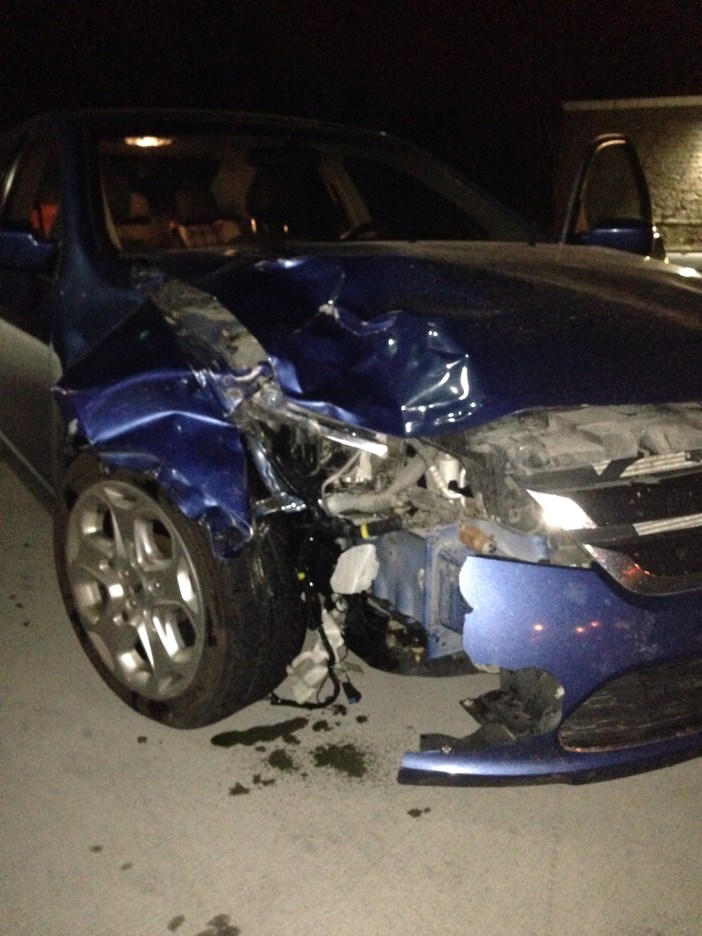
In November of 2014, I was driving my Ford Fusion home from my office late at night. We had run a group that evening so I was driving home, later than normal, at 10pm. I saw the huge buck a split second before we collided. I was going 70 mph, and he had skirted around the back of a vehicle so I couldn’t see him until right before impact. He was running at me from an angle off of my passenger side and we hit head on. The impact was staggering (clever, right?…) It didn’t stop my car, so I managed to get to the far right hand shoulder, which took awhile as I had been driving in the far median lane. I realized I was stopped on a curve of the interstate, and there were deer behind me, and I was in the dark with almost no shoulder and I didn’t know if I even had lights working. In the split second in which I saw the buck, I also saw at least three doe on the road as well, so there could have been other cars swerving. Something told me to move immediately and not get out to assess the damage, so I did. I made my totaled car move, despite all of the alarms going off, and at that point I called my husband and absolutely lost it! Hyperventilating, dizzy, the whole nine yards. I managed to drive my totaled car home through a full-on panic attack.

The next night I had to drive on the same interstate again, and it was a nightmare! I cried the whole 30-minute drive home and talked out loud to myself that it would be okay.

Normally I would have forced this down and moved on. I tried to do that, it did NOT work. Acknowledging the need to cry and be a mess was exactly what I needed that night. When my stress hormones calmed down, I was cognitively aware that I was safe, but key areas in my brain still perceived driving as a fight or flight experience, which has continued to this day.

Did I have PTSD? No, not right away. Acute stress disorder (ASD)? Likely. I couldn’t sleep for several nights and had visions of all of the things that could have happened. The buck flipped into my windshield. I swerved instead of driving into him and hit another car. My airbags went off while I was still moving at 70mph. An antler came through my windshield and hit me. Obviously none of those things happened, but I could vividly picture every one of those scenarios.

Acute stress disorder is defined by intrusive thoughts, numbing/dissociation, cognitive impairment, sleep impairment, and feeling emotionally blunted for the four weeks after an event. After four weeks, if those symptoms are still present, they are classified as post-traumatic stress disorder.

Intrusive images and thoughts are a piece of ASD/PTSD. We may be in a safe environment, but we are still scanning the environment for any change, even if subtle. I jump at any shadows on the road now and am getting familiar with the feeling of the adrenaline dump. Even six months out, I’m still jumping at everything. I see every animal on the side of the road because I’m constantly looking. Just this evening, I saw a few deer, several turkeys, and some creature resembling a beaver.

Traumatic stress is everywhere. I see it in my practice in many situations, from traumatic injuries, accidents and losses, to childhood abuse, to infidelity. This traumatic stress tends to make us feel shameful, which tells us to HIDE. IMMEDIATELY. That seems to work, until it doesn’t any longer. It works until you notice you feel too much, or too little. You notice you can’t seem to shake the anxiety. You’ve isolated yourself, which was comfortable at first, and is now lonely and desolate.

The antidote to PTSD-induced isolation is counterintuitive to the injured mind: it is CONNECTION. This connection can be made with a professional therapist, a mentor, or a peer. According to Brene Brown, PhD, connection simply means being seen, heard, and valued. Once this is achieved, the traumatic stress can have a chance to be reduced.

Let’s picture the hypothetical prehistoric wooly mammoth that has had the misfortune to be frozen alive, and compare it to the wooly mammoth who dies naturally and whose body is exposed. A wooly mammoth that dies on the tundra and lies exposed to the elements begins to break down immediately. The body is exposed to wind, sun, heat and chill, and soon it is reduced to the bones. After years of the exposure to the elements, it is reduced to dust. Now let’s replace the wooly mammoth with a traumatic experience. When the traumatic experience is exposed, it will be deconstructed and will wither away.

We can transcend trauma with connection and exposure!

What happens when you keep it locked up tight? Let’s use the frozen wooly mammoth as the example. A researcher believes he sees something in the ice, and begins to slowly thaw the surrounding ice to uncover the perfectly preserved mammoth carcass inside the ice. Because it hasn’t been exposed to the elements, it has been preserved! Some degradation has occurred, but without being available, it hasn’t had much opportunity to follow the natural process of decomposition. Once the carcass is exposed, which requires careful thawing, it begins to break down naturally and slowly. This is what therapists do in practice: we thaw the carcasses of the traumatic memories. We allow people to carefully expose these memories so that they can begin to experience a life without a chunk of space taken up by a frozen mammoth in their brains.

Bottom line: Let people in. Join support groups. Talk about hard things. Let your woolly mammoth have the chance to decompose so that it isn’t present in all of your relationships!


My poor Fusion!

The Basics

I promise I won’t go on a rant right now about our society and the sickness it propagates through standardized tests, fast food, prescription medication, video games, plastic, violence, complete and utter misrepresentation of healthy sexual expression…just to name a few. SO, I’ll just say this:

IF you and/or your children are unhappy but aren’t sure what to try next…take it on back to the basics ya’ll.

Go on Walks

Even if you find that your weekly grind doesn’t allow for much space. A walk around the block as a family after tea time calms the anxiety in us all and connects us to each other instead of the stress of our day. Find hiking trails, go to the beach, walk around the neighborhood, go on a bike ride, stretch, do yoga. Create opportunity to connect. Connection to nature, our bodies and each other allows us to make space for understanding and forgiveness.

Notice the little things

EVERY day your partner does something for you and/or for your children that is selfless and wonderful. Notice it, acknowledge it and be grateful. Model being grateful to your children. They see you…

Say YES

If your girlfriend calls and asks if your free to grab a coffee on your way to work because she found 30 extra minutes in her schedule…SAY YES. No, you don’t have time, no you aren’t free, but SAY YES anyway because she asked and she loves you and she gets it and you will feel restored and ready for another day.

Turn off the TV…better yet throw out the TV and MAKE STUFF.

I can’t stress this one enough. I know it seems like a sacrilege, I get it, I really do. I’ve watched more Law and Order than I care to admit. However, when we got rid of our TV we noticed a peace come over our evening activities. We play more music, make more art, build more tents, read more books and take a lot more deep breaths. ALL of these things help build foundational connectedness while fostering growth of Mind, Body and Spirit individually AND as a UNIT.

Cook for each other

Take time to make a healthy meal and fill it with love. Sit down to the table and eat this meal. Say some form of “grace” thanking the Universe, God, each other for your love and blessings. Gathering over a meal is a time honored way to join in communion with our loved ones and share our stories of the day. In other words, a way to tell each other YOU MATTER even though I’m busy.

UNPLUG

Just BEING seems so difficult these days. Honestly ask yourself when was the last time you spent 2 hours with your partner/children without checking your phone? I’m not sitting in judgement. I’m guilty. But that’s the beautiful part about admitting guilt, it’s then that we can grow and change and evolve. Admitting to something that makes us feel shameful and guilty can be so freeing because the admission lets us see a way out. We have to choose to be different. Choose to grow. Choose the hard thing.

Now, go love each other UP!! x

The answer is YES

My husband said this to me last year when we were sure something needed to change but we didn’t know what that something was. He said, “look, we just have to believe in ourselves not IT because we don’t know what IT is. We must be happy with our moment before we will see the path”. He wasn’t suggesting that we stop searching or just be happy. He was saying that we needed to take a deep breath (or 50) and trust that if we believe in NOW space will open up for NEXT.

Say YES to the moment and believe in what’s next. Say YES to possibility and to the dream. Say YES to our children and each other and dinner and a walk and YES to the energetic questioning.

Say YES and see what happens… x

The Tender Tough

“So often we try to make other people feel better by minimizing their pain, by telling them that it will get better (which it will), or that there are worse things in the world (there are). But that is not what I actually needed. What I needed was for someone to tell me that it hurt because it mattered.” –John Green (from goodtherapy.org).

Over and over throughout my days in facilitating cancer support groups, and now in private practice, I hear: Why do I want to cry the second I sit down in here?

Because, sweet friend, you are hurt. You are sad. You are shattered, and in my office, that is okay. For one hour, you get distance from the tough façade and the ideas of how you should be coping or acting.

This pervasive and corrosive belief that happiness is directly correlated with strength is not helping our relationships or our wellbeing. The truth is that the most resilient people I know are happy, sad, moody, joyful, angry, and hurt at times. They know this is human. It is their acknowledgement of these feelings that makes them resilient! Strong people are not without negative thoughts or feelings. Rather, they have learned to recognize them, can tolerate their discomfort, and can find a path out.

The strong have decided not to accept the messages of, “you should be positive about this,” “look on the bright side,” or “with the right attitude you can beat this.” They have simply revised who it is that they share the tough stuff with. They understand that all of the “shoulds” and “oughts” likely come from a positive intention, but they have a negative impact and don’t have to land. They realize that people who put pressure on them to have a positive attitude are speaking from their anxiety, and they have no idea what to say. As listeners, the strong will take a deep breath after hearing of someone’s pain. Instead of beginning to speak and hope their brain will catch up and give them the words, they pause and say, “thank you for telling me. How are you with this.”

If I hear the words: You have cancer. Your dad had a heart attack. Your unborn baby has no heartbeat. Your spouse has been unfaithful. Your house is being foreclosed upon. Your job is being eliminated.

I’m going to need the people in my life who can sit in that with me. I need the people who will let me be sad, angry, hurt and scared. I’ll share my story with the people who have earned the right to hear it, and know I’ll be happy again someday. Just not right now.

They know they can’t fix it, so they don’t try.

Let’s stop trying to fix people. Let’s let them be scared and angry. Let’s show up for our people, hear them, and love them through their battles.

~Caylen

Let’s get vulnerable.

The people I see in my practice are the wounded well. They are those who have been through pain at all levels but have managed to transcend their trauma and are looking for the next step in healing. They are women, men, couples, and children who want something different, even if they don’t know what that difference looks or feels like.

The most common conversation I have is this: What if it is okay to be not okay? What if who you are right now is enough? Most of us ache for some validation and normalization.

The 13th century poet and theologian, Rumi, believed that everyone is hiding a secret. Not always a scary or dark secret, but rather a common, pervasive and dangerous secret.

We see the secret as shame.

“I’m not enough. I’ll be enough when I {get a new job, finish school, get married, lose the extra weight, make better money}”.  It’s draining, dangerous, and shrouds you in layers of thick skin.  Thick skin is good, right?  Not when you want to be different and improve yourself and your relationships.

You may be familiar with the popular researcher and clinician, Dr. Brene Brown. She articulates the intangibles that deeply impact our well-being, such as shame, vulnerability and authenticity. She believes that there is one thing shame can NOT survive: CONNECTION.

Why don’t we connect?

SHAME. You see the cycle?

I’m reading an passionate and articulate book by Elizabeth Lesser called Broken Open. One of my current favorite passages is this: “we are embarrassed by our human traits. We tell ourselves that we don’t have time to go into the gory details; don’t know each other well enough; don’t want to appear sad, confused, weak, or self-absorbed. Better to keep under wraps our nutty and neurotic sides.”

“Our pain, fear and longing, in the absence of connection, becomes alienation and competition.” (Lesser).

She proposes that we are all protecting the same story, and that in order to feel different, we need to allow others a glimpse of ourselves.

Rita and I wholeheartedly agree with this, and I’d add this: What if we offered ourselves a glimpse of ourselves first… without cringing? What if we said, “Hey, self. It’s okay to not be okay right now.” If we acknowledge our own experience, however scraggly and moody and messy, we can then be available for real connection.

Dr. Brown defines connection as being seen, heard and valued. When we don’t or can’t see ourselves and be self-compassionate, we go into relationships with unrealistic expectations of connection.

So, it’s ok.  Even if you’re depressed, fighting with your husband, your kids are driving you nuts, it’s ok. When you privilege connection over shame, crazy good things can happen!

~Caylen